Pollution, types, causes and its control

- 03-11-2022
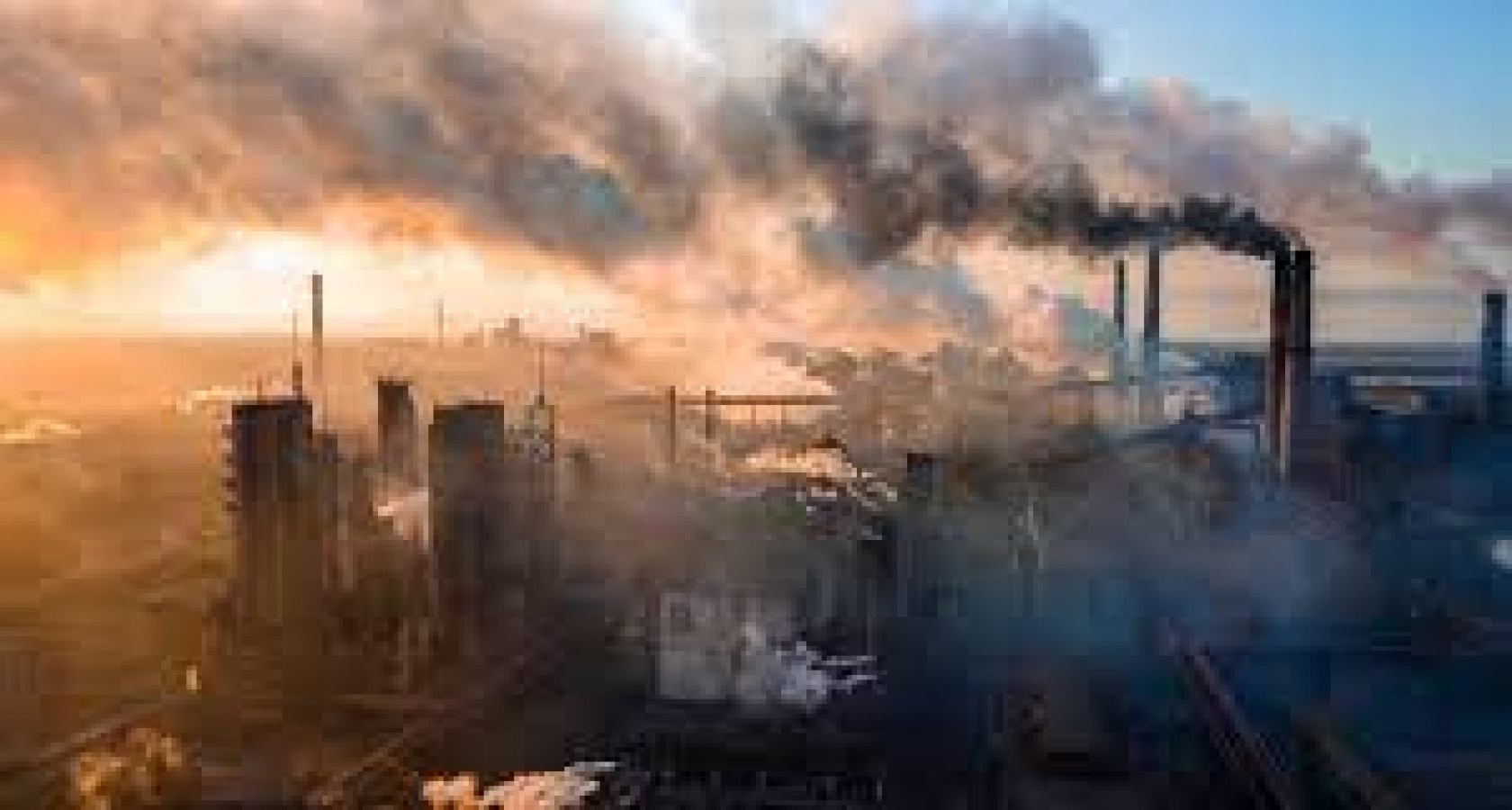
The introduction of hazardous elements into the environment is pollution. Pollutants are the name for these dangerous substances. Natural pollutants include volcanic ash, for example. They can also be brought by by human activities, such as factory runoff or waste. The quality of the air, water, and land is harmed by pollutants.
Pollution is created by many items that are valuable to humanity. Pollutants are emitted by automobile exhaust pipes. Air pollution results from burning coal to produce energy. Garbage and sewage from homes and businesses can contaminate the land and water. Pesticides affect animals by leaking into streams and killing vegetation and insects with chemical poisons.
All living things, even single-celled organisms and blue whales, rely on the air and water that the Earth provides. All forms of life are affected by the pollution of these resources.
no one lives, despite the fact that urban areas are typically more polluted than the countryside. For instance, the Antarctic ice sheet has been shown to contain chemicals and pesticides. The Great Pacific Garbage Patch is a massive accumulation of tiny plastic debris in the centre of the northern Pacific Ocean.
Pollution is carried by air and water currents. Marine contaminants are dispersed widely by ocean currents and migrating fish. Radioactive material that has been unintentionally released from a nuclear reactor can be picked up by winds and dispersed globally. A factory's smoke travels across international borders.
able to view 290 kilometres (180 miles) across the wide terrain. Today, coal-burning power stations in Texas and the nearby Mexican state of Chihuahua have released so much air pollution that visitors to Big Bend can occasionally see only 50 kilometres in front of them (30 miles).
Air pollution, water pollution, and land contamination are the three main categories of pollution.
Air Pollution
Exhaust pipes can be seen spewing dark smoke. However, air pollution is typically undetectable.
Even though the toxins are undetectable, breathing polluted air can be hazardous. It can cause people's eyes to burn and their breathing to become laboured. Lung cancer risk may also rise as a result.
In some cases, air pollution causes quick death. An accident at a pesticide factory in Bhopal, India, in 1984 saw the discharge of a fatal gas into the atmosphere. Within days, at least 8,000 individuals passed away. Thousands of people suffered lasting injuries.
release volcanic ash and gases into the atmosphere when they erupt. The sky can get coloured by volcanic ash for months. Ash covered the sky all around the world in the aftermath of the 1883 eruption of the Indonesian volcano Krakatoa. Fewer crops were gathered, even in Europe and North America, due to the darker sky. Meteorologists monitored the "equatorial smoke stream" for many years. The smoke stream was actually a jet stream, a wind visible due to air pollution from Krakatoa that is located high in the Earth's atmosphere.
Volcanic gases, such sulphur dioxide, can kill people living nearby and render the soil unusable for a long time. A dramatic eruption of the Italian volcano Mount Vesuvius in 79 claimed the lives of hundreds of people living in the adjacent towns of Pompeii and Herculaneum. The majority of Vesuvius casualties weren't killed by the eruption's lava or landslides. Deadly volcanic gases suffocated or asphyxiated them.
A poisonous cloud formed in 1986 over Lake Nyos in Cameroon. Lake Nyos is located in a volcano's crater. The volcano sent volcanic gases into the lake even though it did not erupt. The hot gases permeated the lake's water before condensing into a cloud that swept down the volcano's slopes and into neighbouring valleys.
However, most air pollution is artificial. Burning fossil fuels like coal, oil, and natural gas produces it. Carbon monoxide, a gas with no colour or smell, is produced when gasoline is burned to power vehicles and trucks. In large quantities or concentrations, the gas is toxic. Carbon monoxide produced by city traffic is extremely concentrated.
Other typical pollutants produced by industry and automobiles include nitrogen oxide, sulphur dioxide, and hydrocarbons. Smog, a heavy fog, or an air pollution haze are the products of these compounds reacting with sunlight. In Linfen, China, the haze is so dense that it is hardly possible to see the sun. Depending on the contaminants present, smog can be either brown or greyish blue in colour.
Breathing in smog can be challenging, especially for younger people and the elderly. Air pollution advisories are issued in some severely polluted cities. For instance, the government of Hong Kong will issue warnings to citizens not to venture outside or partake in physically demanding activities (such running or swimming) when fog is extremely thick.
Acids are created when air pollutants like sulphur dioxide and nitrogen oxide react with moisture. After then, they return to earth as acid rain. Often, wind spreads acid rain far from the source of the pollution. Acid rain can occur in Norway as a result of pollutants from Spanish manufacturers and power stations.
Water Pollution
Some contaminated water has a terrible odour, a muddy appearance, and floating trash. Some contaminated water appears clean, but it contains dangerous substances that you can't see or smell.
Drinking and swimming in contaminated water is dangerous. Drinking contaminated water exposes certain people to dangerous chemicals that could cause illness years later. Others eat germs and other disease-causing microscopic water creatures. According to the UN, drinking contaminated water causes the deaths of 4,000 children worldwide every day.
Polluted water can occasionally cause indirect harm to people. They become ill because eating fish that lives in contaminated water is dangerous. Their body contains far too many toxins.
Water contamination can come from a variety of natural causes. Natural underground sources, including oil and natural gas, can leak into lakes and seas. Petroleum seeps are the places in question. The Coal Oil Point Seep, located off the coast of the U.S. state of California, is the largest petroleum seep in the world. Tar balls wash up on adjacent beaches as a result of the Coal Oil Point Seep's excessive oil flow. Tar balls are microscopic, gooey waste objects that eventually rot in the water.
Water pollution is also caused by human activity. Sometimes, chemicals and oils from industry leak into waterways or are deposited there. We refer to these substances as runoff. Aquatic life may be exposed to harmful conditions due to chemicals in runoff. Blue-green algae, often known as cyanobacteria, can flourish in environments that are made fertile by runoff. Fast-replicating cyanobacteria form a toxic algal bloom (HAB). Invasive algal blooms make it impossible for marine life, including fish and plants, to survive. They are linked to "dead zones" in lakes and rivers around the world, regions with little life below the surface.
Land Pollution
The land is harmed by many of the same chemicals that pollute the water. Hazardous chemical contamination of the soil can occasionally result from mining.
The wind carries fertiliser and pesticides from agricultural areas. They may cause harm to humans, animals, and occasionally plants. Some plants and fruits take up the pesticides used to aid in their growth. Pesticides enter people's bodies when they eat fruits and vegetables. A few chemicals have been linked to cancer and other illnesses.
DDT (dichlorodiphenyltrichloroethane), a pesticide, was historically widely employed to kill insects, particularly mosquitoes. A million people worldwide die each year from malaria, which is carried by mosquitoes in various regions of the world. Paul Hermann Muller, a Swiss chemist, won the Nobel Prize for his discovery of the mechanism by which DDT may control insects and other pests. Malaria has declined in locations like Taiwan and Sri Lanka because to DDT.
The effects of DDT were described in the 1962 book Silent Spring by American researcher Rachel Carson. She argued that it might cause cancer in people. She also described how the destruction of bird eggs resulted in a decline in the populations of bald eagles, brown pelicans, and ospreys. The use of DDT was outlawed in the US in 1972. It is prohibited in several other nations as well. However, DDT didn't completely vanish. DDT is still the most effective approach to fight malaria, thus many countries today encourage its usage.
Another type of land pollution is trash. Paper, cans, glass jars, plastic items, abandoned autos, and appliances blight the landscape everywhere.
Dangerous contaminants like oils, chemicals, and ink are frequently found in garbage. These toxins have the potential to seep into the soil and harm both people and plants.
Systems for collecting trash that are ineffective help to pollute the soil. The trash is frequently picked up and taken to a landfill or dump. In landfills, trash is buried. Communities might produce so much trash at times that their landfills are overflowing. There aren't enough places left for them to dump their rubbish.
Trash cans line the sides of roadways in certain localities because their rubbish collection methods are insufficient. Other places have beaches that are covered in trash. Plastic bags and bottles are all over Kamilo Beach in Hawaii, a state in the United States. The rubbish endangers marine life and lowers local economic activity. Hawaii's major industry is tourism. Tourists are less likely to spend money at the area's hotels, restaurants, and recreational facilities when the beaches are polluted.
Some cities burn their trash incineratively. Trash is destroyed by incinerating it, however doing so may release hazardous chemicals and heavy metals into the air. Therefore, even while waste incinerators can aid in the reduction of land pollution, they can make the air pollution issue worse.
Pollution Control
Governments and citizens all across the world are working to reduce pollution. For instance, recycling is getting more popular. Recycling is the process of processing waste to recover its valuable components. It is possible to melt and reuse glass, aluminium cans, and many kinds of plastic. Paper may be disassembled and reassembled to create new paper.
Recycling lessens the quantity of trash that enters landfills, incinerators, and rivers. The countries with the greatest recycling rates are Austria and Switzerland. Between 50 and 60 percent of their waste is recycled in these countries. Around 30% of the country's waste is recycled.
Governments can stop pollution by enacting rules that restrict the quantity and kinds of chemicals that companies and agricultural businesses can use. Filters can be used to reduce the smoke from coal-burning power plants. Millions of dollars in fines are possible for people and companies who illegitimately release pollutants into the air, water, or land. Certain government initiatives, like the Superfund programme in the US, have the power to compel polluters to clean up the locations they contaminated.
Additionally, international agreements can lower pollution. 191 nations have ratified the Kyoto Protocol, a United Nations accord to control greenhouse gas emissions. The second-largest emitter of greenhouse gases in the world, the United States, opted not to sign the accord.
Even so, there have been numerous advances. The Cuyahoga River in Ohio, in the United States, caught fire in 1969 because it was so choked with oil and garbage. The 1972 Clean Water Act was influenced by the fire. This regulation established standards for water cleanliness and restricted the types of contaminants that might be released into the environment. The Cuyahoga River is considerably cleaner now. In parts of the river where they previously couldn't thrive, fish have reappeared.
However, while some rivers are getting cleaner, others are getting dirtier. Some types of pollution are on the rise as the world's economies progress. Economies that are expanding typically necessitate more power plants, which increase pollution.
Environmental, political, and economic leadership are necessary to reduce pollution. While developing countries must endeavour to grow their economies without harming the environment, developed nations must minimise and recycle their waste. Together, developed and developing nations must fight to conserve the environment for present and future generations.
France
- 21-06-2023
The United Kingdom
- 21-06-2023
Germany's Global Power
- 21-06-2023
Russia's Global Power
- 21-06-2023

The United States
- 21-06-2023